Stay Safe in the Water this Summer
10 July 2026
The Scouts is all about preparing our young people for a full and happy life by giving them the skills they need. With the weather getting hotter again, more young people are going to risk their lives by swimming in un-safe waters because they don’t know the dangers they are in. We can do something about this.
Why us?
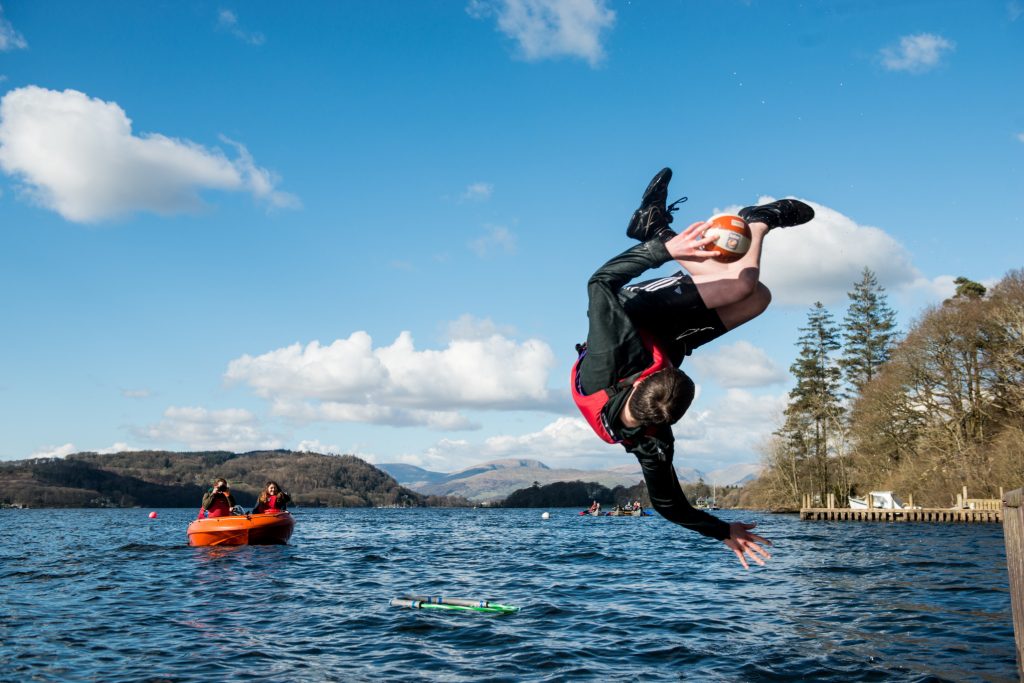
Statistics show there are more incidents and more drownings in heat waves – to our count, there have been 24 deaths already since May from open water swimming just as a result of the recent heatwaves. Research also tells us that these drownings are much more likely to be men and boys and much more likely to be teenagers or in their 20s. We interact with thousands of exactly these young people each week.
One of the last drowning incidents of the June heatwave happened in Hampshire at a nature reserve lake that is also used by a Sea Scout group – this can and does happen on our doorstep. By speaking to our young people, by running these activities in our sections, we can help our young people stay safe and help them keep their mates safe too.
What are the dangers?
Some key dangers to discuss or explore with your young people include:
Cold water shock: The water is often much colder, even in summer, with the average sea temperature remaining about 15 degrees Celsius. Plus, inland lakes, reservoirs and waterways often getting much colder than at the beach because of their depth. Falling or rapidly entering colder water can send the body into shock.
Hidden dangers underwater: At the beach this can be rip currents, tides or waves. Inland waters, especially those not usually used for swimming, can host anything from sharp rocks to shopping trolleys, steep drops or fishing line to get tangled in.
Disease: Water can be contaminated from a whole host of things, including algae and Weil’s disease.
Lack of help: When the temperatures rise, more people want to cool off in water and the journey to swim at a lifeguarded beach or pool may be too long for some. If someone chooses to swim in a lake or river, there may not be any help or aides on hand if you run into difficulty.
Where to find guidance and resources
There is Scout guidance (FS120629) which explores water safety around water immersion and waterborne diseases on scouts.org.uk, along with a cracking activity called ‘Water Safety decoded’ that explores many of these dangers in a fun and interactive way. It can be run as a base of four activities, or you can take one section and run it on its own.
There is an awful lot of guidance and resources from the RLSS – Royal Life Saving Society UK including the Water Safety Code and guidance on Water Safety for Teenagers. To support that guidance, there are lots of free resources for education settings and youth groups available by simply filling in a form on their website for instant access. Plus, they have a ‘Have a Conversation’ toolkit to support chatting with teenagers, and activity sheets for younger ages.
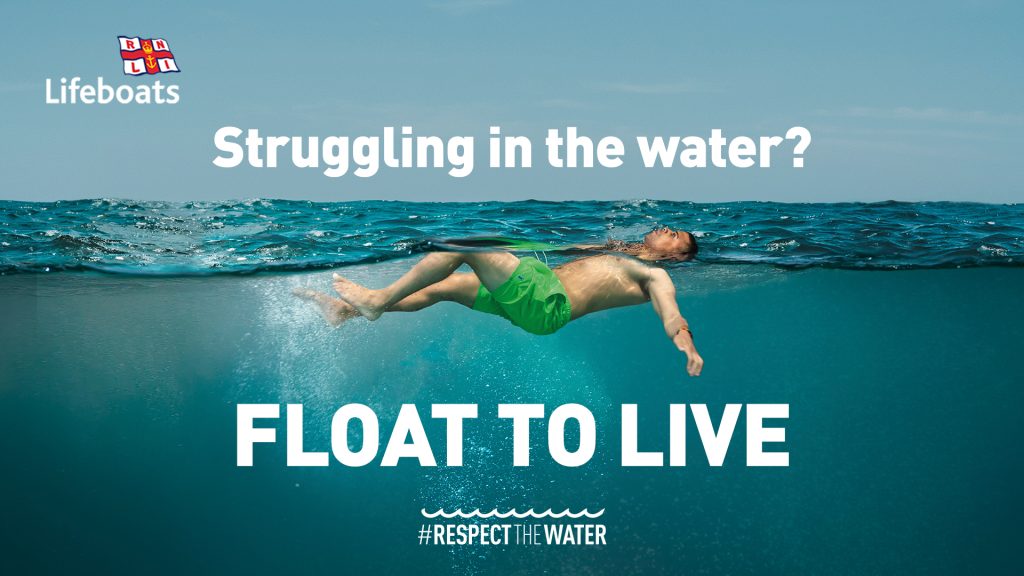
The RNLI (Royal National Lifeboat Institution) has simple guides to Beach Safety and on their Float to Live campaign (see below) on their website. Plus, they also have free educational resources for you to use and you can book a RNLI visit, workshop or safe session.
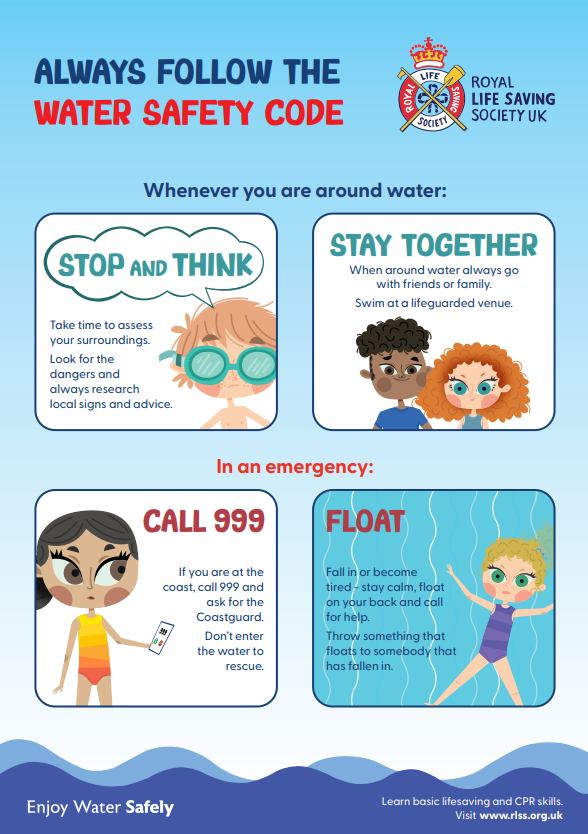
Water Safety Code
Find posters, cartoons, and downloads about the RLSS’s Water Safety Code on their website.
Float to Live
The RNLI’s key water campaign is Float to Live – key advice to save your life if you get into trouble in water. Find out more on their website.